
A Code Signing certificate is used to sign software or scripts. This certificate verifies the author of the program and guarantees that the code hasn't been altered once the digital signature is applied. These certificates are often also called developer certificates.
Developer certificates offer several important advantages. First, thanks to the digital signature mechanism, it verifies that the program you're using was genuinely published by a specific company — in other words, it guarantees the authenticity of the source. Second, it ensures content integrity — meaning the software product hasn't been damaged or altered since the moment it was signed.
On every modern version of Windows, starting with Windows XP SP2, you get a warning when trying to install software without a digital signature. The same applies when installing drivers that lack a proper digital signature.
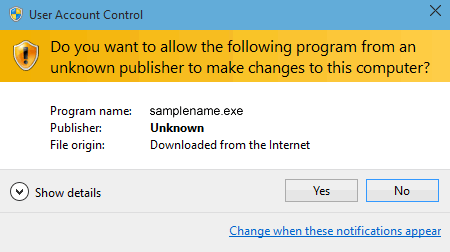
If there's no digital signature, Windows shows an "Unknown Publisher" warning, indicating that running this program isn't recommended.
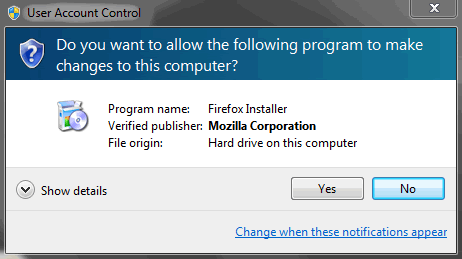
If the program is digitally signed, the warning window looks different, and information about the certificate can also be displayed.
EV Code Signing Certificates
Extended Validation Code Signing Certificates (EV Code Signing) carry all the benefits of traditional code signing certificates, but provide a higher level of trust for the software. These certificates ensure that reliable, thoroughly verified information about the software developer is provided:
- The organization's name and address are displayed on the certificate;
- A timestamp guarantees the signature remains valid even after the certificate itself expires;
- The certificate is stored on a USB token for two-factor authentication;
- It provides access to the Windows Hardware Dev Center Dashboard portal.
Can't find the answer you need?
Contact Us